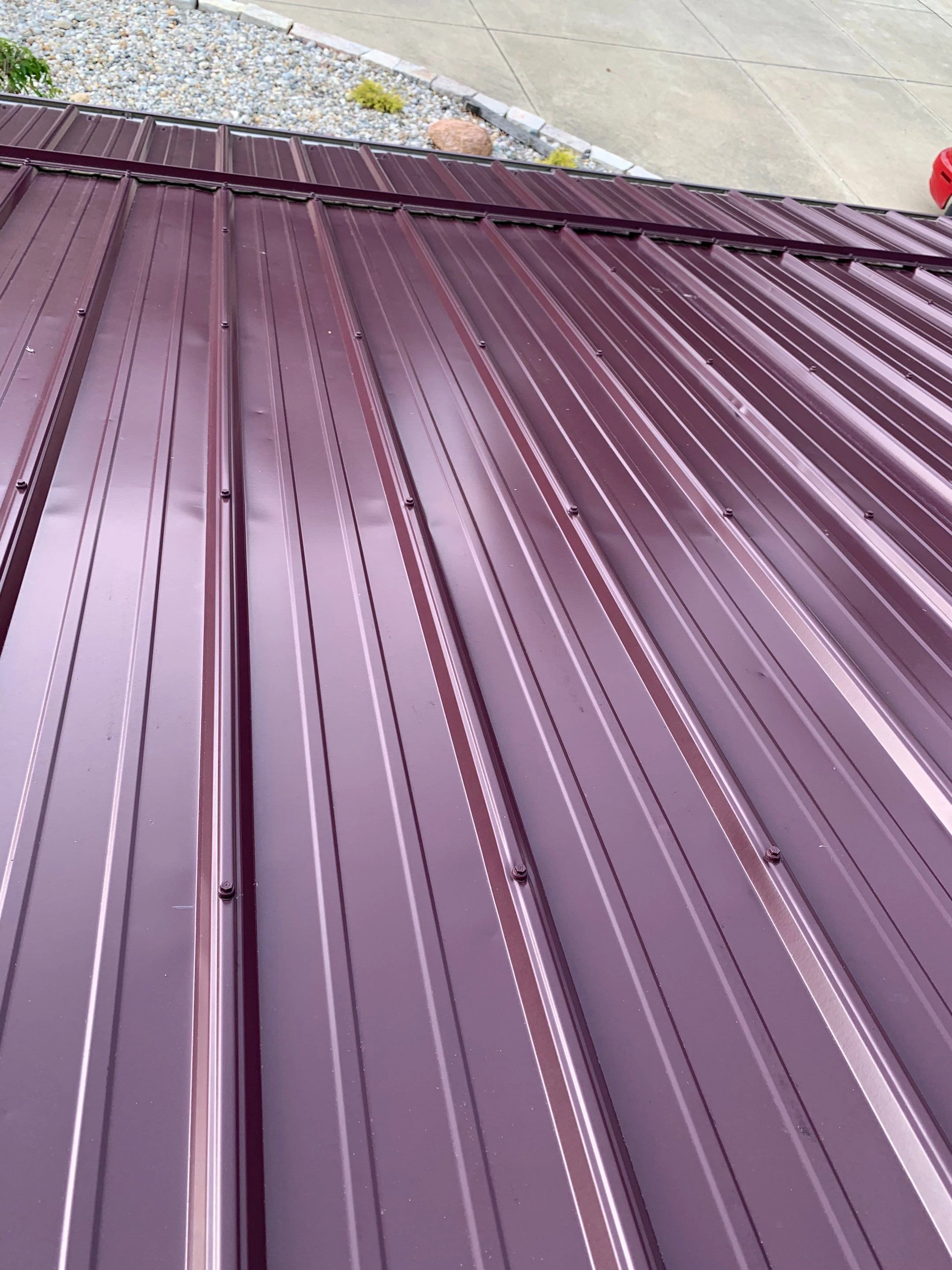
Inspecting the membrane and roof surface
The membrane inspection examines the field of the roof for its condition and any developing problems, and for a Fairland owner, knowing what the pros look for here clarifies what this part of the inspection reveals. Several specific things are checked across the surface.
Signs of wear and aging
The inspection assesses the membrane's overall wear and aging, looking at the surface condition, any thinning, weathering, or deterioration that indicates how the roof is aging and where it stands in its life. This helps gauge the roof's remaining service. For a roof, reading the wear across the membrane tells the inspector whether the roof is aging normally or showing concerning deterioration, which informs the assessment of its condition and remaining life.
Physical damage
The inspection looks for physical damage to the membrane, punctures, tears, cuts, blisters, or impact damage, that compromises the roof's integrity and could lead to leaks. Damage can come from foot traffic, debris, weather, or hail. For a Shelby County roof, identifying physical damage across the surface pinpoints specific problems needing repair, which is one of the main things the membrane inspection finds and addresses before the damage leads to leaks or worse.
Surface contaminants and growth
The inspection notes surface contaminants and growth, debris accumulation, vegetation, algae, or staining, that can indicate or contribute to problems, such as poor drainage allowing growth or debris holding moisture. These signs point to conditions affecting the roof. For a Fairland roof, observing what has accumulated on the surface gives clues about drainage and maintenance issues, helping the inspection identify not just damage but the conditions that may be harming the roof.
Areas of concern
The inspection identifies specific areas of concern across the membrane, spots where wear, damage, or other signs are concentrated, marking them for repair or closer evaluation. These problem areas often need attention before the rest of the roof. For a roof, pinpointing the areas of concern across the membrane focuses any needed repairs and maintenance where they matter most, which is a practical outcome of the surface inspection.
What the membrane inspection reveals
The membrane inspection reveals the roof's overall wear, any physical damage, surface conditions, and specific areas of concern, giving a picture of the roofing surface's health. For a Shelby County owner, this assessment of the field of the roof establishes the baseline condition and identifies the surface problems needing attention, which is a core part of understanding where the roof stands.
Get your roof's surface assessed
It also helps to treat inspection as ongoing rather than one time, because a roof's condition changes over time and regular examination catches new problems while they are small. A Shelby County owner who establishes a consistent inspection schedule, commonly twice a year and after storms, keeps the roof monitored and the problems caught early, while one who inspects only when something goes wrong is already reacting to damage. Regular inspection is the practical foundation of caring for a roof, far cheaper than the failures that missed problems eventually cause.
The broader point about a roof inspection is that its value lies entirely in its thoroughness, since a cursory walk around that glances at the surface misses the details, drainage, and subsurface conditions where problems actually live. A Fairland owner who understands what a proper inspection covers can insist on that completeness, getting a real assessment rather than a reassuring but shallow look. The inspections that protect a roof are the systematic ones, which is why knowing what the pros should examine helps an owner expect and value a genuinely thorough job.
Finally, an inspection is only useful if it produces something an owner can act on, which is why a documented report with prioritized recommendations matters as much as the examination itself. A owner who receives a clear record of the findings and guidance on what to address now versus later can manage the roof knowledgeably, budgeting and planning rather than guessing. That actionable output turns an inspection from an event into a tool, supporting the ongoing care that keeps a commercial roof healthy and reaching its full life.
It also helps to treat inspection as ongoing rather than one time, because a roof's condition changes over time and regular examination catches new problems while they are small. A Shelby County owner who establishes a consistent inspection schedule, commonly twice a year and after storms, keeps the roof monitored and the problems caught early, while one who inspects only when something goes wrong is already reacting to damage. Regular inspection is the practical foundation of caring for a roof, far cheaper than the failures that missed problems eventually cause.
The broader point about a roof inspection is that its value lies entirely in its thoroughness, since a cursory walk around that glances at the surface misses the details, drainage, and subsurface conditions where problems actually live. A Fairland owner who understands what a proper inspection covers can insist on that completeness, getting a real assessment rather than a reassuring but shallow look. The inspections that protect a roof are the systematic ones, which is why knowing what the pros should examine helps an owner expect and value a genuinely thorough job.
Finally, an inspection is only useful if it produces something an owner can act on, which is why a documented report with prioritized recommendations matters as much as the examination itself. A owner who receives a clear record of the findings and guidance on what to address now versus later can manage the roof knowledgeably, budgeting and planning rather than guessing. That actionable output turns an inspection from an event into a tool, supporting the ongoing care that keeps a commercial roof healthy and reaching its full life.
It also helps to treat inspection as ongoing rather than one time, because a roof's condition changes over time and regular examination catches new problems while they are small. A Shelby County owner who establishes a consistent inspection schedule, commonly twice a year and after storms, keeps the roof monitored and the problems caught early, while one who inspects only when something goes wrong is already reacting to damage. Regular inspection is the practical foundation of caring for a roof, far cheaper than the failures that missed problems eventually cause.
The broader point about a roof inspection is that its value lies entirely in its thoroughness, since a cursory walk around that glances at the surface misses the details, drainage, and subsurface conditions where problems actually live. A Fairland owner who understands what a proper inspection covers can insist on that completeness, getting a real assessment rather than a reassuring but shallow look. The inspections that protect a roof are the systematic ones, which is why knowing what the pros should examine helps an owner expect and value a genuinely thorough job.
Fairland Metal Roofing thoroughly inspects the membrane across Fairland commercial roofs, assessing wear, damage, and areas of concern. Call {phone} to get your roof's surface professionally assessed. A thorough surface inspection is what separates informed roof care from an expensive guess.